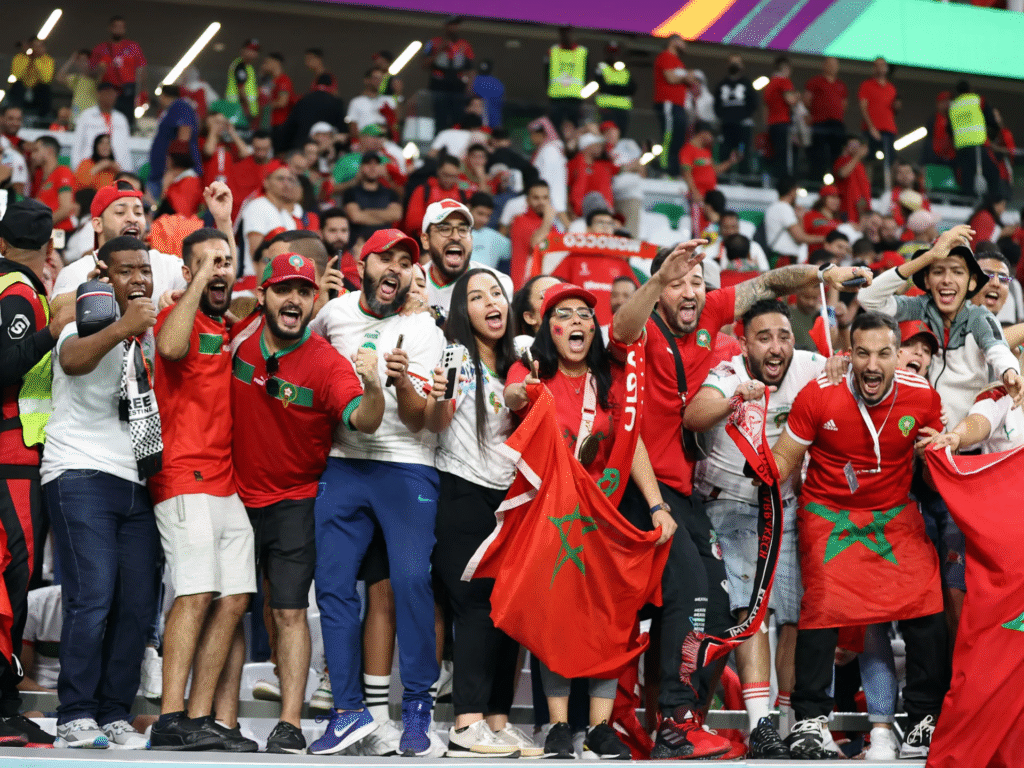
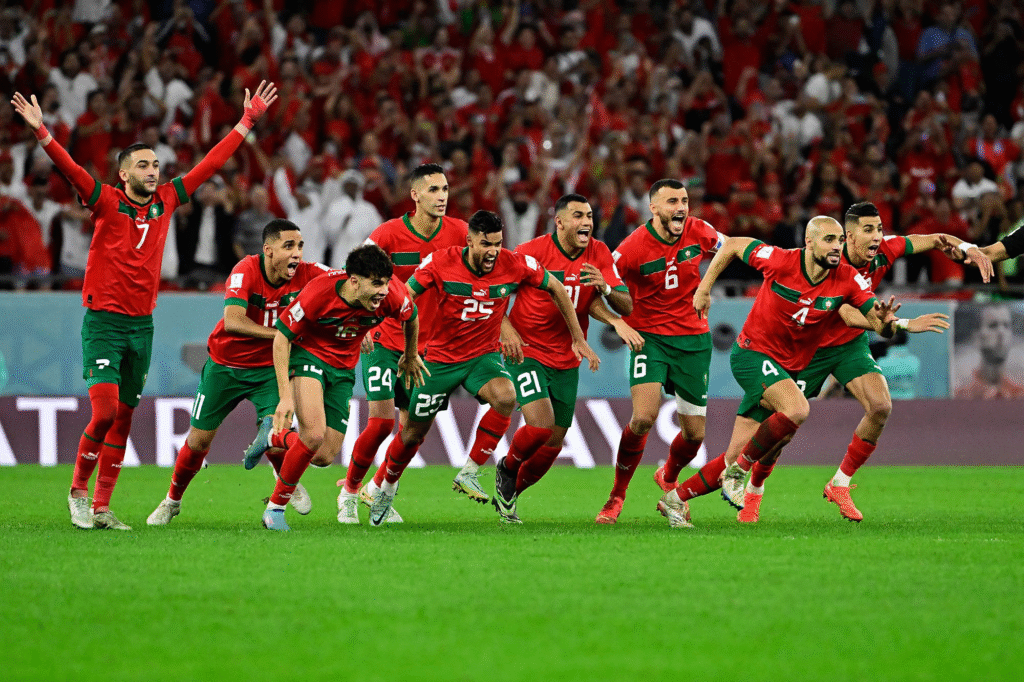
Morocco’s love affair with football runs deep. From neighborhoods playing barefoot in dusty courts to packed stadiums echoing with chants, the game is woven into the national fabric. Over recent decades, the Atlas Lions have climbed the African ladder—qualifying for World Cups, winning continental honors, and becoming symbols of national pride.
Now, with the 2025 Africa Cup of Nations on the horizon and preparations already underway for World Cup 2030, Morocco stands ready to showcase its footballing strength and infrastructure on the continental and global stage.
AFCON 2025: Home Turf, High Stakes
Morocco was awarded hosting rights for AFCON 2025 after Guinea was deemed unfit to stage the tournament. The competition is scheduled from 21 December 2025 to 18 January 2026, spanning 9 stadiums in 6 cities.
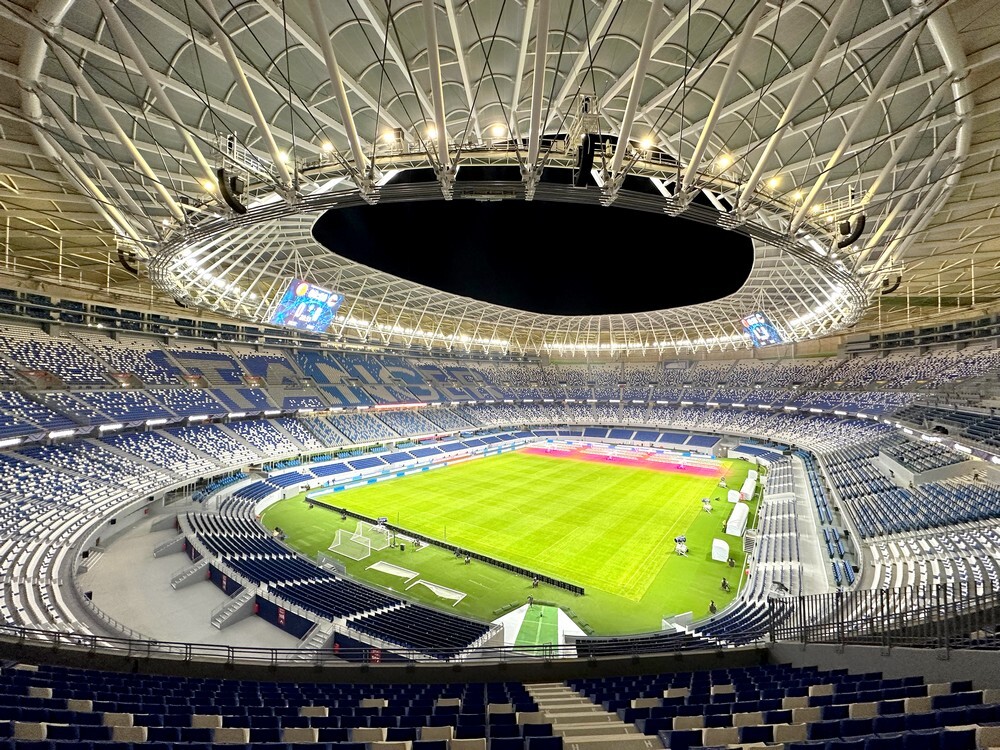
This will be the second time Morocco hosts AFCON (the first was 1988), and the country is sparing no effort to make it a world-class event. From stadium upgrades to city-level infrastructure projects, over 120 development projects are being pushed to completion in cities across Morocco.
Group Stage & Morocco’s Opening Matches
The Atlas Lions will start their AFCON journey on December 21, 2025, facing Comoros at the newly renovated Prince Moulay Abdellah Stadium in Rabat. Their group also includes Mali and Zambia — a challenging field that demands early consistency. While other games will be contested in Casablanca, Fez, Marrakech, Tangier, and Agadir.
Eyes on 2030: The World Cup Ambition
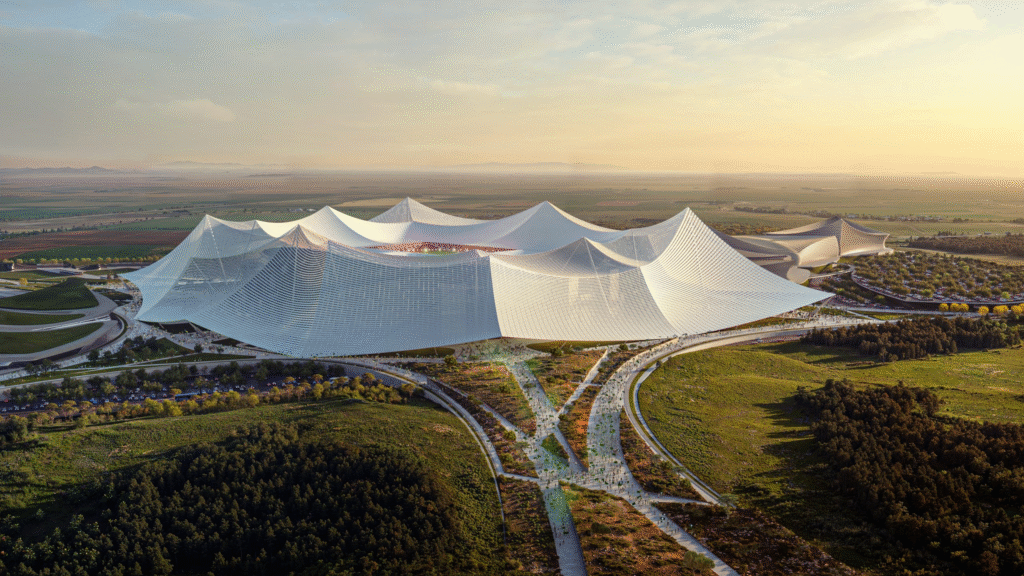
Morocco isn’t just building for AFCON — it’s building for legacy. As co-host for FIFA World Cup 2030 (with Spain and Portugal), the country is fast-tracking upgrades in its football infrastructure. One of the centerpiece projects is a 115,000-seat stadium near Casablanca, scheduled to be completed by 2027, which is expected to host the World Cup final and other major matches.
Beyond stadiums, Morocco is expanding its transportation networks, lodging capacity, and city amenities, ensuring the match-day experience and beyond will be world-class.
Training, Strategy & National Team Preparations
To compete at home and on the world stage, Morocco is sharpening its competitive edge:
- Intensive match scheduling & friendlies to expose the team to varied styles and pressure.
- Youth development pipelines being modernized particularly through academies and national programs.
- Upgrades in training facilities, medical teams, analytics, and coaching staff.
- A focus on mental resilience: playing on home soil brings tremendous expectation.
Additionally, as a host nation, the pressure is doubled: perform well on field and deliver off field. A seamless tournament reflects not just team strength but national organization.
Challenges & Opportunities
Challenges
- Timing & readiness: With AFCON still months away, many construction and infrastructure projects must finish on tight deadlines.
- Economic balance: Investments in football must be weighed against social needs. Some youth groups have already voiced frustration over resource allocation.
- Pressure of expectations: Host nations often face harsh scrutiny—Morocco’s team must prove it deserves the home advantage.
Opportunities
- National pride & unity: Success on the pitch could amplify social cohesion and global recognition.
- Legacy infrastructure: Post-AFCON and post-2030, stadiums and facilities can catalyze youth programs and local leagues.
- Football tourism: Morocco has the chance to attract fans regionally and globally, boosting local economies.
- Global credibility: If Morocco hosts smoothly and its team performs well, it cements its reputation as a football powerhouse in Africa.
Final Thoughts
Morocco’s football story is entering a thrilling chapter. AFCON 2025 offers the country a chance to shine, not just as a host but as a competitor. And with the World Cup 2030 on the horizon, every match, stadium, and project is part of a grander vision.As fans, players, and sports lovers, this is a moment to witness — and participate in — history in the making.