Padel is one of the fastest-growing sports in the world — and for good reason. It’s fast-paced, social, and easy to learn. Often described as a mix between tennis and squash, padel brings the best of both worlds into one exciting game. Whether you’re new to the sport or just want to understand the basics, this guide will walk you through the essential padel rules every beginner should know.
Court and Equipment
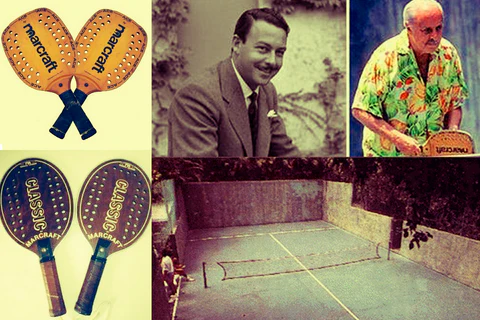
Padel is played on an enclosed court surrounded by glass and metal mesh walls. The court is smaller than a tennis court — 20 meters long and 10 meters wide — and the walls are part of the game. Players can use them to bounce shots, just like in squash, making every rally dynamic and unpredictable.
Each team has two players (padel is always played in doubles), and the game uses a solid racket with holes instead of strings. The ball looks like a tennis ball but with slightly less pressure, which makes rallies last longer and play more controlled.
Serving Rules
The match starts with a serve — but unlike tennis, padel serves are done underhand.

- The server must bounce the ball once before hitting it.
- The ball should be struck below waist level and diagonally into the opponent’s service box.
- You must stand behind the service line without crossing it.
If the ball hits the net but still lands correctly in the opposite box, it’s called a let, and you get to serve again. If the serve hits the wire fence or lands outside the service box, it’s a fault. Two faults in a row mean the point goes to your opponent.
Playing the Ball
Once the serve is in play, the ball can bounce once on the ground before being returned — but it can also bounce off the glass walls afterward.
You can’t, however:
- Let the ball bounce twice, or
- Hit it before it crosses the net, or
- Double hit it with your racket.
The real fun comes when players use the walls strategically — hitting off angles, rebounds, and surprise returns that make padel so unique.
Scoring System
Padel follows the same scoring system as tennis:
15, 30, 40, and game.
A team must win six games to take a set, with at least a two-game lead. Matches are usually best of three sets.
If both teams reach 40–40 (called deuce), padel introduces the golden point: the next rally wins the game. This rule keeps matches quick, competitive, and thrilling.
Tie-Breaks
When both teams reach 6–6 in a set, a tie-break is played.
- The first team to reach 7 points wins, but they must lead by at least 2 points (for example, 8–6 or 9–7).
- Serves alternate after the first point, then every two points.
Tie-breaks in padel often bring out the best moments — fast rallies, teamwork, and the kind of tension that makes every shot count.
Why Everyone Loves Padel

Padel’s magic lies in its simplicity. The court is small, rallies last longer, and teamwork matters more than power. It’s easy to pick up but hard to put down — and that’s why it’s growing everywhere, from Spain to Morocco and beyond.
So, grab your racket, invite a friend, and book a court through Nexte. The best way to learn padel is to play — and once you start, you’ll see why everyone’s hooked.